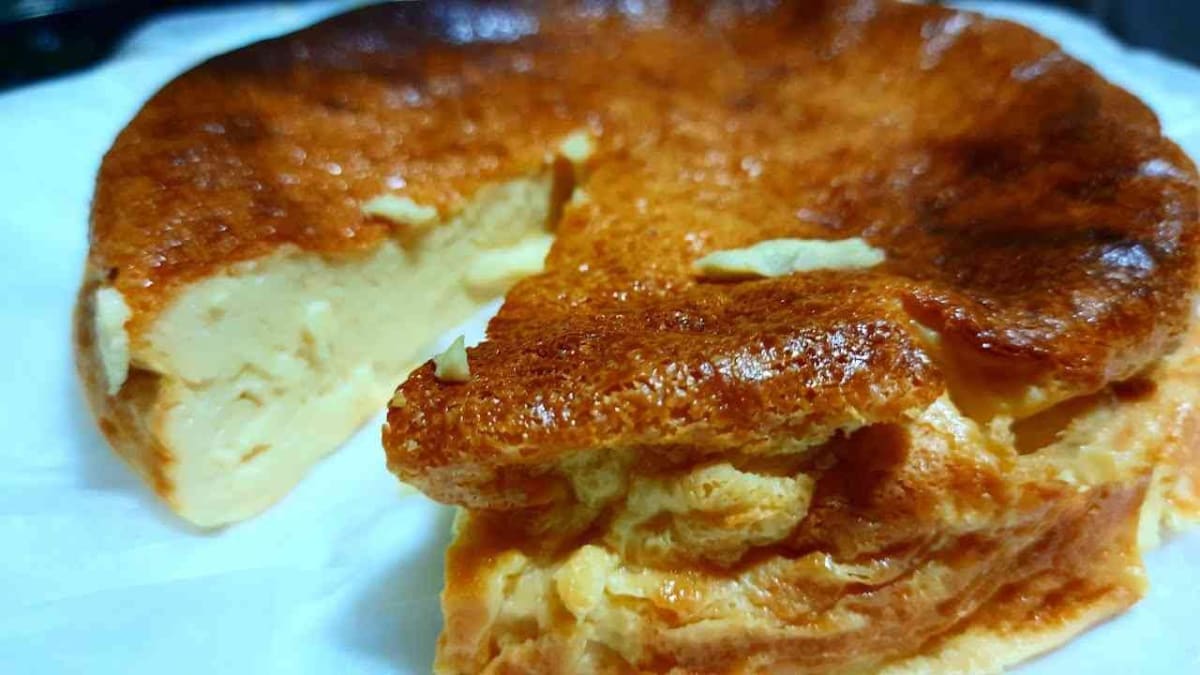
This light, fluffy, and moist Turkish yogurt cake (Yoğurtlu Kek) is a classic in Turkish households. Made with simple pantry ingredients, it balances sweetness with the tanginess of yogurt, creating a tender texture. It’s perfect with Turkish tea or coffee and often enjoyed as a simple dessert or afternoon treat.
Ingredients
Directions
Preheat oven to 350°F (175°C). Grease and flour a round or square cake pan.
In a mixing bowl, whisk together eggs and sugar until pale and fluffy.
Add yogurt, vegetable oil, and vanilla extract. Mix until smooth.
In a separate bowl, sift together flour, baking powder, and salt.
Gradually fold dry ingredients into wet ingredients until just combined.
Pour batter into prepared pan and smooth the top.
Bake for 35–40 minutes, or until a toothpick inserted in the center comes out clean.
Let cool before slicing. Dust with powdered sugar if desired.
Expert Cooking Tips & Experience
This traditional Turkish Yogurt Cake (Yoğurtlu Kek) is beloved for its incredibly tender, damp crumb and bright, subtle tanginess. Unlike heavy butter cakes, a yogurt-based sponge relies entirely on the interplay of acidity and aeration to stay exceptionally soft and light. To achieve that signature melt-in-your-mouth texture and avoid a dense, rubbery bake, keep these expert bakery tips in mind:
The Ribbony Aeration Foundation: Because this recipe uses oil instead of creamed butter, the structural lightness of your sponge is determined entirely by how you treat the eggs and sugar during the first step. Do not simply whisk them until mixed; beat them aggressively for 3 to 5 minutes until they form a thick, pale-yellow "ribbon" that holds its shape for a few seconds when lifted. This mechanical emulsification traps thousands of tiny air pockets that expand gracefully in the oven, ensuring the cake rises into a cloud-like texture despite the heavy moisture of the yogurt.
The Acidity & Folding Balance: Yogurt contains natural lactic acid, which reacts beautifully with leavening agents to tenderize flour proteins. However, this same acidity makes the batter highly sensitive to over-mixing. When combining the sifted dry ingredients into your wet base, completely put away your electric mixer. Use a silicone spatula to gently fold the mixture together in a figure-eight motion just until the white flour pockets disappear. Over-working the batter at this stage will over-develop the gluten matrices, turning your delicate afternoon tea cake tough and bread-like.
The Temperature & Pan Strategy: Yogurt cakes retain an exceptional amount of moisture, meaning they are prone to sticking to the pan or forming a soggy bottom if cooled incorrectly. For the cleanest release, line the bottom of your greased pan with parchment paper. Once baked, let the cake rest in its pan on a wire rack for exactly 10 minutes to allow the delicate crumb structure to set. Then, invert it onto the rack to cool completely. Slicing into it while it is still piping hot will release the trapped steam too quickly, compressing the crumb and making the interior look under-baked. Wiping it with a dusting of powdered sugar right before serving keeps it looking clean and beautiful.

_(1).png)


_(1).png)


